AWS Hackathon - from Lore to cloud playtest
Combine Lore, Horde, Anchorpoint and AWS GameLift to commit, build, deploy and cloud test your game
October 2, 2026
8
min read

In high-stakes industries such as automotive, robotics, defence and aviation, 3D design lies at the heart of engineering and product development. Whether they are engineering complex mechanical assemblies in SolidWorks or creating precise visualisations and components in Blender, modern teams work with large, intricate files. However, managing these files can be chaotic. When multiple engineers, designers and artists collaborate on the same project, traditional file-sharing methods quickly become ineffective, resulting in overwritten data, broken assemblies and lost hours of work. This is why integrating robust version control into 3D design workflows is no longer optional, it is essential.
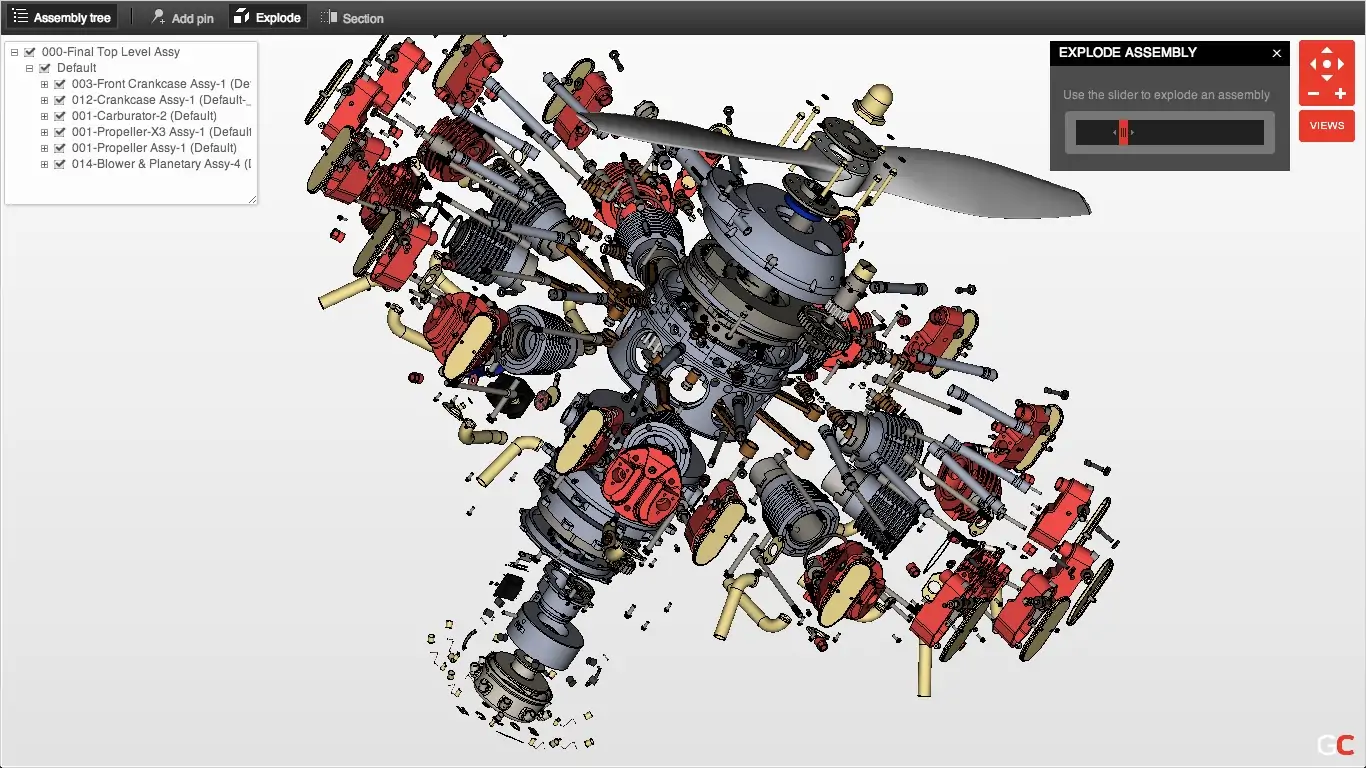
Traditionally, teams working with computer-aided design (CAD) tools and three-dimensional digital content creation (DCC) software have relied on shared network drives, local backups or cloud storage folders such as Dropbox and Google Drive. In order to prevent collisions, team members often resort to manual file-naming conventions, such as appending suffixes like '_v2_final_revised_FINAL.step' or manually locking folders to prevent others from accessing them.
However, these makeshift solutions create severe bottlenecks. For example, when two engineers modify the same SolidWorks sub-assembly simultaneously on a shared drive, one person's work silently overwrites the other's. Once files are overwritten or buried in convoluted folder structures, tracking who changed a specific dimension or why a particular design iteration was abandoned becomes nearly impossible.
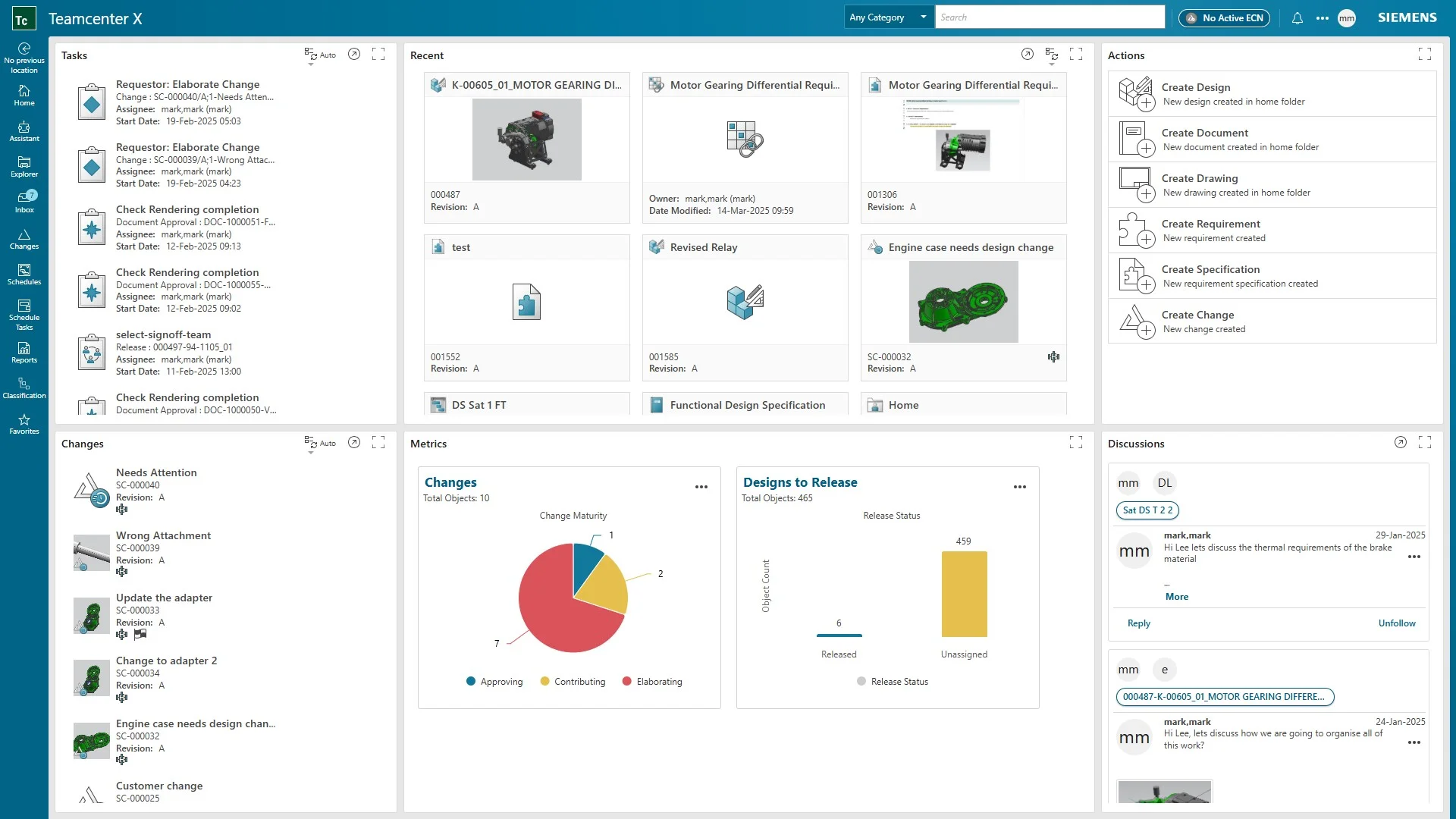
In an attempt to combat the chaos of file management, many engineering organisations turn to traditional Product Data Management (PDM) systems. However, while PDM solutions attempt to bring order to CAD data, they often introduce their own set of significant disadvantages.
For fast-moving teams in the automotive, robotics and aerospace industries, a system that slows down development or restricts flexibility defeats its own purpose.
Decades ago, software developers solved this exact collaboration problem using Git-based version control. Using a Git-like workflow for 3D design offers significant advantages:
However, standard Git tools are designed for text-based code, which makes them notoriously difficult for non-developers to use and means they are not well-suited to massive binary 3D files straight away.
To bridge the gap between powerful version control principles and the daily needs of creators of physical products, tools like Anchorpoint provide a streamlined solution. Designed specifically for the version control of large 3D, design and media files, Anchorpoint caters directly to artists, designers, architects and engineers who are not software developers. It offers everyone a Git-like version control workflow without the need for command-line knowledge or experience with developer-centric tooling.
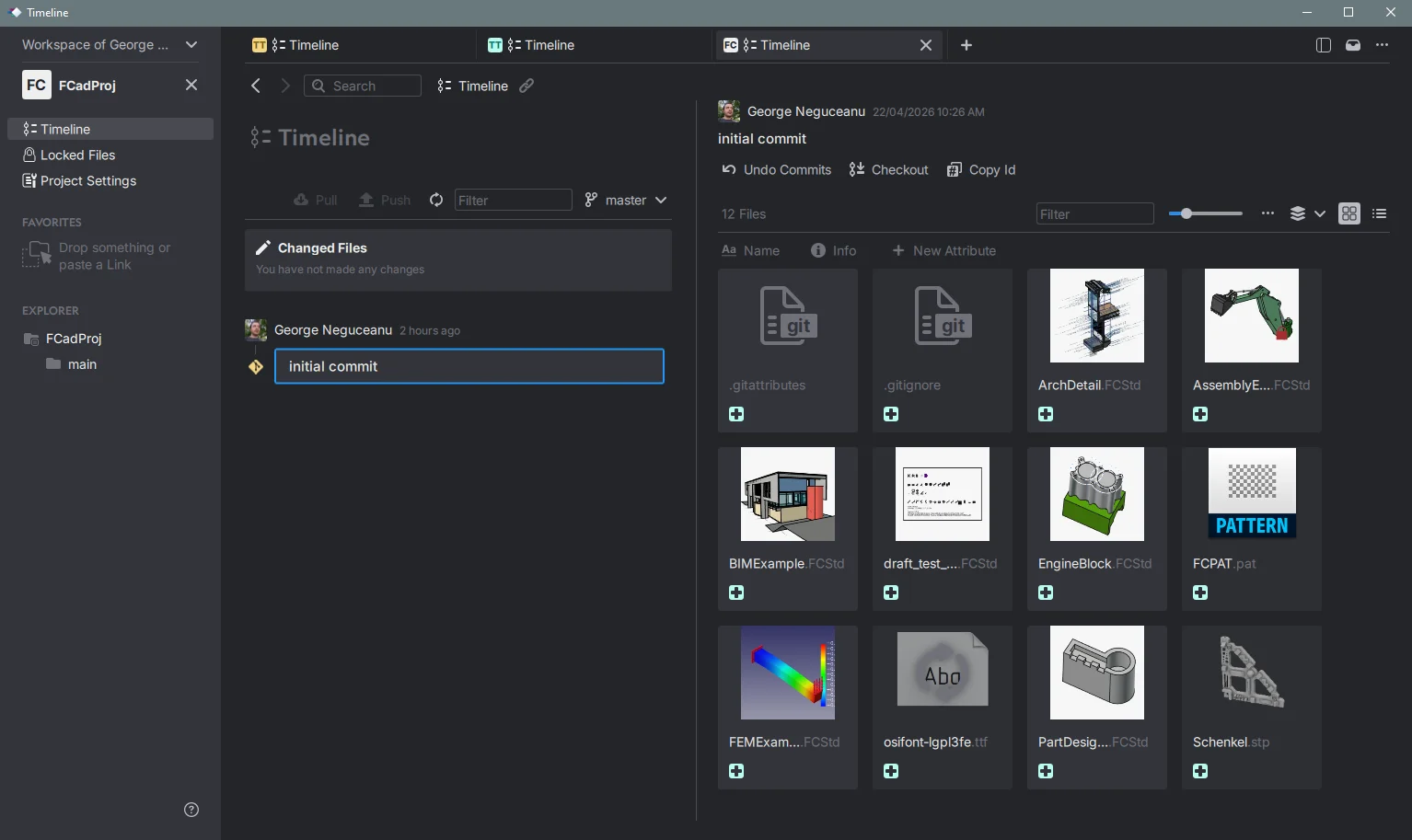
Key capabilities of this client include:
Anchorpoint recently released a beta version of a new client, Anchorpoint for Lore, which uses Lore. Lore is a version control system developed by Epic Games, the creators of Unreal Engine and can handle large amounts of data efficiently, load revisions in milliseconds, and upload large production files in a fraction of the time required by other solutions, such as Git and Perforce.
In fast-moving industries such as aviation, defence, robotics and automotive, your tools shouldn't hold you back. Using legacy network shares or slow, restrictive PDM systems can stifle development, hinder cross-functional collaboration and increase the risk of costly design errors. Moving to a modern Git-based or Lore version control system with accessible tools enables engineering and design teams to protect their data ownership, collaborate seamlessly between 3D DCCs like Blender and CAD apps like SolidWorks, and remove administrative obstacles. By moving away from restrictive systems that slow you down, you can focus on what matters most: designing and building the future.